
Emergency fund sizing for military families has gotten complicated with all the different scenarios, PCS costs, and variable expenses flying around. As someone who’s rebuilt emergency funds after multiple unexpected hits, I learned everything there is to know about getting this number right. Today, I will share it all with you.
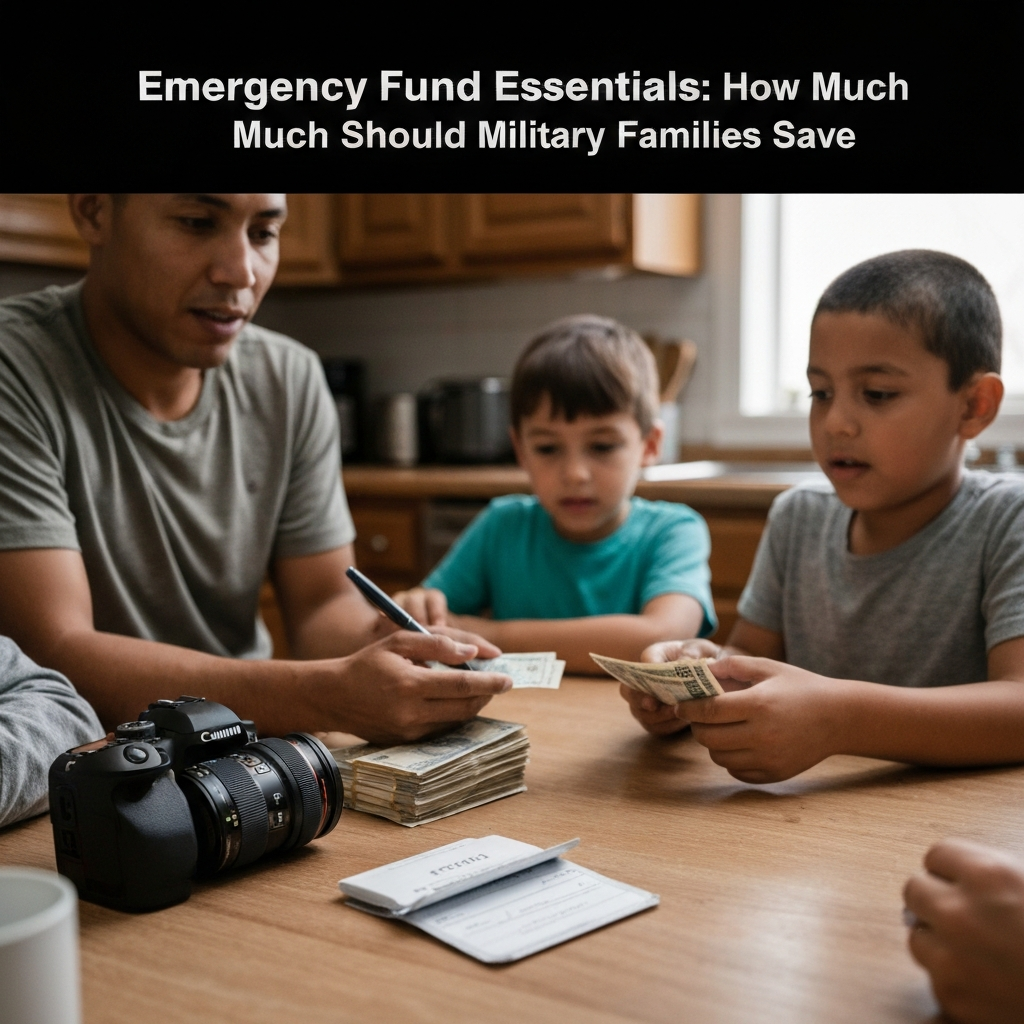
The Standard Advice
Most financial guidance suggests 3-6 months of expenses. That’s what makes military families unique here — you might lean toward the lower end given job stability, since you’re not getting laid off unexpectedly. But other factors push toward more.
What Actually Drains Emergency Funds
Probably should have led with this section, honestly. PCS moves involve more out-of-pocket costs than reimbursement covers. The gap between selling one house and buying another can require bridge financing. Temporary lodging exceeds allowances in competitive housing markets.
Vehicle repairs hit hard when you need reliable transportation for duty. Medical expenses not covered by Tricare arise, especially for dependents with specialized needs. These don’t wait for convenient timing. I’ve been there.
Calculating Your Number
Add up monthly non-negotiables: housing, utilities, food, minimum debt payments, insurance, essential transportation. Multiply by your target months of coverage.
For dual-military couples, consider what happens if one separates unexpectedly. Single-income families need more cushion. Families with special needs dependents need more still.
Where to Keep It
Accessibility matters more than returns. High-yield savings accounts at banks like Marcus, Ally, or military-focused options like Navy Federal offer competitive rates without lockup periods.
Don’t invest emergency funds. Market downturns often coincide with emergencies—the worst time to sell. Keep it boring and accessible.
Building the Fund
If starting from zero, make this the first financial priority after matching TSP contributions. Automate transfers on payday. Even small amounts compound over time.
Windfalls help accelerate progress. Tax refunds, reenlistment bonuses, PCS allowance surpluses—direct unexpected money to the emergency fund until you reach your target.




Leave a Reply